
Ant Control
& Removal
Effective ant control solutions for homes and businesses. We locate and eliminate ant colonies at the source, not just the visible trails, for lasting results.
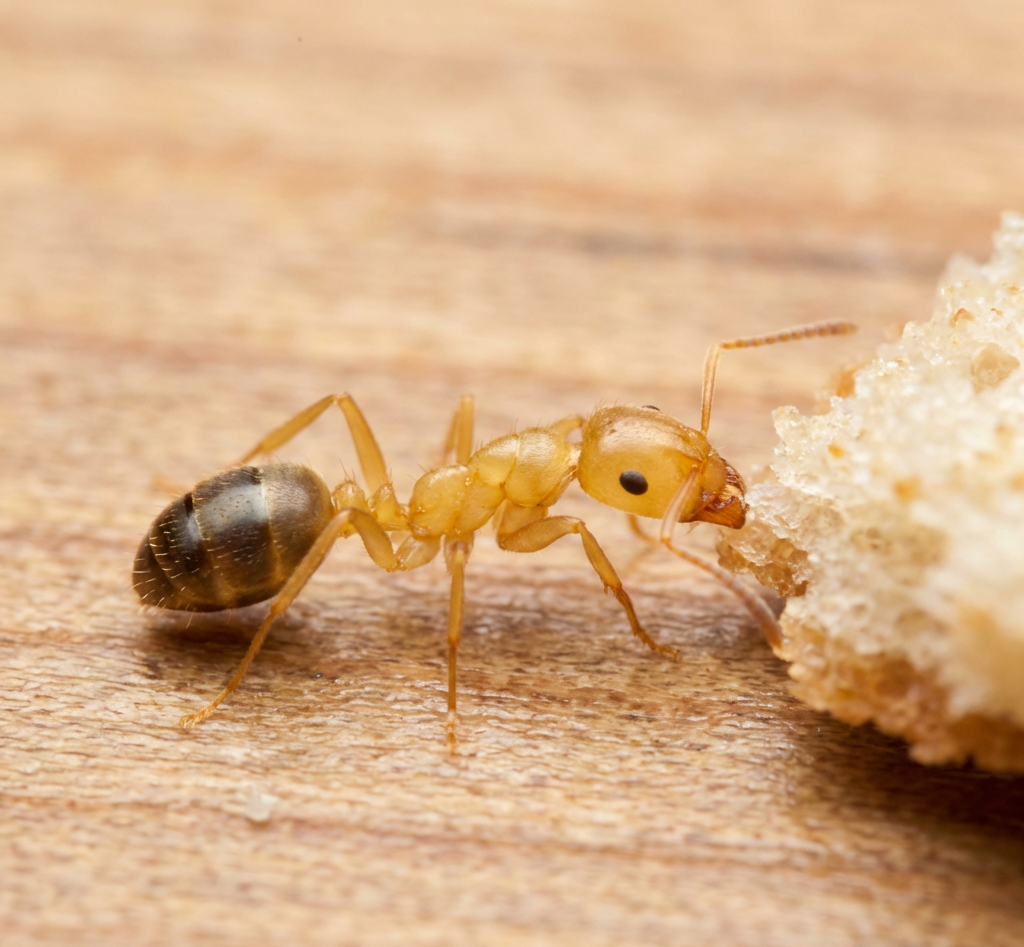
Ant infestations are one of the most common and persistent pest problems in UK homes, gardens, and commercial properties. While a few ants on a kitchen counter may seem harmless, they are almost always scouts from a much larger colony containing thousands — sometimes tens of thousands — of workers, soldiers, and a queen hidden deep within walls, under floors, beneath patios, or in garden soil. Left untreated, ants can contaminate food, damage property, and spread rapidly throughout a building.
Understanding Ant Behaviour and Colony Structure
Ants are social insects that live in highly organised colonies. The queen is the reproductive centre, laying hundreds or thousands of eggs per day. Worker ants forage for food, build nests, and defend the colony. What you see on your worktop or floor represents only a tiny fraction of the colony's population. Killing visible ants with sprays or surface treatments has almost no impact on the nest — the queen continues laying eggs and new workers quickly replace those lost.
Different ant species require different treatment strategies. Black garden ants — the most common UK species — nest outdoors in soil and enter buildings foraging for sweet foods. Pharaoh ants, on the other hand, are tropical species that establish multiple nests inside heated buildings and are notoriously difficult to control without professional baiting programmes.
Our Ant Control Methods
We provide targeted, effective ant control tailored to the species, nest location, and severity of infestation. Our approach focuses on colony elimination, not temporary suppression.
- Species identification — we confirm whether you have black garden ants, Pharaoh ants, or another species to select the correct treatment.
- Nest location — using knowledge of ant trails, harbourage preferences, and inspection techniques to find the colony source.
- Gel and granular baits — slow-acting bait formulations that foraging ants carry back to the nest and feed to the queen and larvae, destroying the entire colony from within.
- Residual insecticide barriers — applied to entry points, skirting boards, and foraging trails to prevent ants from crossing into treated areas.
- Direct nest treatment — insecticide injection into outdoor nests, wall cavities, or soil colonies for rapid knockdown.
- Monitoring and follow-up — return visits to check activity levels and re-bait if necessary until the infestation is fully cleared.
Signs of an Ant Infestation
Ant problems often start subtly before becoming overwhelming. Recognising the early signs allows for faster, more effective treatment:
- Regular lines or trails of ants moving across floors, worktops, or walls — especially leading to food sources.
- Ants clustering around sweet foods, pet bowls, or sticky spills in kitchens and pantries.
- Small piles of soil or sand appearing on patios, driveways, or between paving stones — evidence of underground nest excavation.
- Flying ants emerging indoors during summer — these are reproductive ants leaving an established nest to mate.
- Ants in bathrooms attracted to moisture, or in bedrooms where food may have been consumed.
- Multiple entry points — gaps around pipes, under doors, through window frames, and cracks in walls.
Why DIY Ant Treatments Fail
Most over-the-counter ant sprays kill on contact but do not reach the nest. They create a repellent barrier that temporarily deters ants, causing the colony to split and establish new nests elsewhere in the property — a phenomenon known as budding. This is especially common with Pharaoh ants, where disturbing the nest can multiply your problem rather than solve it.
Professional ant control uses non-repellent formulations and strategic baiting that ants willingly transport back to the colony. This approach eliminates the queen, the larvae, and the workers simultaneously. We also identify and address environmental factors — food sources, moisture, and entry points — that sustain the infestation.
Preventing Ants from Returning
After treatment, we provide practical advice to keep ants away. This includes storing food in sealed containers, cleaning spills immediately, managing pet food, fixing leaks, and sealing cracks around pipes and window frames. For properties with recurring ant problems, our pest proofing service can seal entry points and install physical barriers for long-term protection.
Why Choose Us
What Sets Us Apart
Species Identification
Different ants need different treatments. We correctly identify the species for the most effective approach.
Nest Location
We track ants back to their nest and eliminate the colony — not just the visible workers.
Safe for Homes
Our treatments are selected to be effective against ants while remaining safe around children and pets.
Prevention Advice
We advise on sealing entry points and removing attractants to stop ants returning after treatment.
Common Questions
Frequently Asked Questions
Over-the-counter sprays only kill visible ants. The colony — including the queen — remains alive and continues producing more ants. Our treatments target the nest directly.
Yes. We select baits and treatments appropriate for homes with pets and children, placing them in secure, strategic locations.
Bait treatments typically show results within a few days as ants carry poison back to the nest. Direct nest treatments work faster. We advise on expected timelines during the visit.
Flying ants are reproductive members of an established colony. We treat the source nest to stop the colony from expanding and prevent future swarms.